









How to Handle a Customs Inspection Delay in Canada
In international trade, customs inspections are part of the process.
But when a container is flagged unexpectedly, it can create uncertainty — especially when inventory is already allocated to customers.
This is the story of how we supported Ryan, a commercial fitness equipment distributor based in Toronto, Canada, when his shipment was selected for customs inspection.
Understanding the Client’s Business
Ryan operates a wholesale distribution company supplying:
-
Commercial treadmills
-
Strength training machines
-
Gym storage racks
-
Metal workout benches
His clients include boutique gyms, rehabilitation centers, and fitness franchises across Ontario and Quebec.
In this case, he had a full container shipment scheduled to arrive ahead of multiple gym renovation projects. The equipment had already been pre-sold to several facilities preparing for reopening.
Timing mattered.
The Challenge: Canadian Customs Inspection
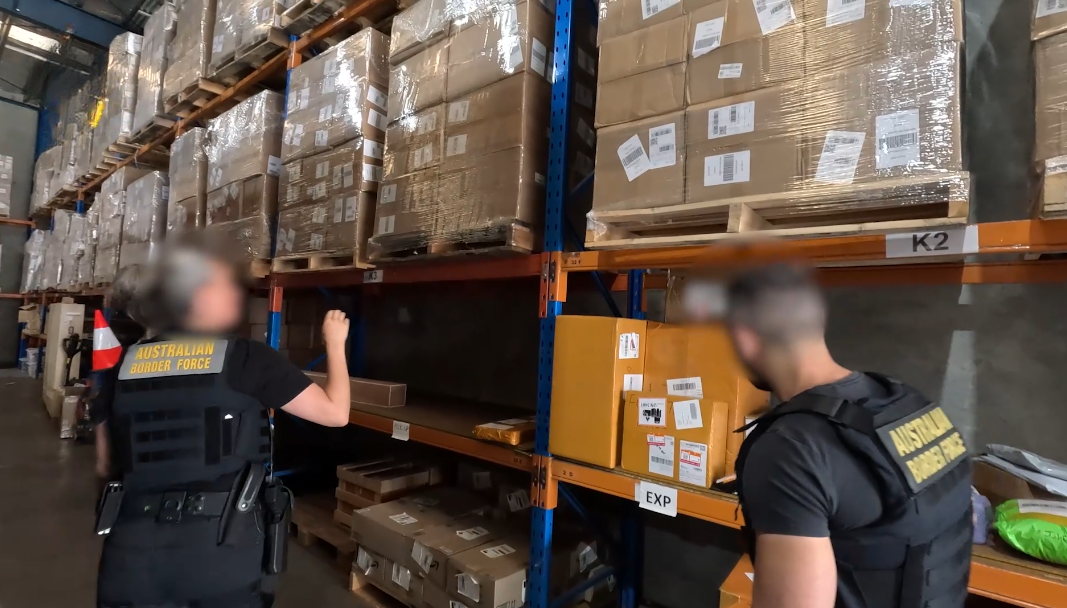
Shortly after the container arrived at the Port of Vancouver, it was selected for customs examination.
This triggered:
-
Container transfer to an inspection facility
-
Potential unloading for physical examination
-
Additional review of product classification and declared value
-
Possible storage and inspection charges
For Ryan, the immediate concerns were:
-
How long would the inspection take?
-
Would there be compliance issues?
-
Would his project timelines be affected?
The Advantage of Proper Preparation
The reason this situation remained manageable was because compliance work had already been handled before departure.
Prior to shipment, our team had:
-
Confirmed accurate HS codes for each equipment category
-
Ensured clear, detailed product descriptions on invoices
-
Verified declared values matched purchase contracts
-
Checked proper country-of-origin marking
-
Coordinated documentation alignment with the Canadian customs broker
Because of this preparation, the inspection was procedural — not investigative.
Our Immediate Response Strategy
Once inspection notice was received, we activated a structured response.
1️⃣ Broker Coordination
We immediately worked with Ryan’s Canadian customs broker to:
-
Confirm inspection type
-
Provide any supplemental documentation requested
-
Monitor inspection scheduling at the facility
Clear communication reduced uncertainty.
2️⃣ Timeline Transparency
We provided Ryan with:
-
Realistic inspection timeframe estimates
-
Breakdown of possible inspection fees
-
Updated projected delivery schedule
This allowed him to proactively update his gym clients — protecting his reputation.
3️⃣ Preventing Escalation
Because all documentation was accurate and consistent:
-
No reclassification occurred
-
No value adjustment was required
-
No penalties were issued
The container was released after five days.
In Canadian ports, this turnaround was considered efficient handling.
The Outcome
Delivery was rescheduled smoothly.
Installation timelines were adjusted without cancellation.
Ryan maintained trust with his customers.
Most importantly, the inspection did not turn into a compliance issue.
What This Case Demonstrates
Customs inspections cannot always be avoided.
But what can be controlled is:
-
Documentation accuracy
-
Product classification compliance
-
Transparent communication
-
Coordinated broker support
Preparation is what turns a potential disruption into a manageable delay.
Confidence Built on Process
Today, Ryan continues importing fitness equipment with greater confidence — not because inspections won’t happen again, but because he knows they will be handled professionally.
In international logistics, expertise shows when pressure appears.
If you want to reduce customs-related risks and strengthen your compliance process for shipments to Canada, our team is ready to support you.


