









ABF Inspection Update: Australia Customs Delays Explained
Background of the Inspection
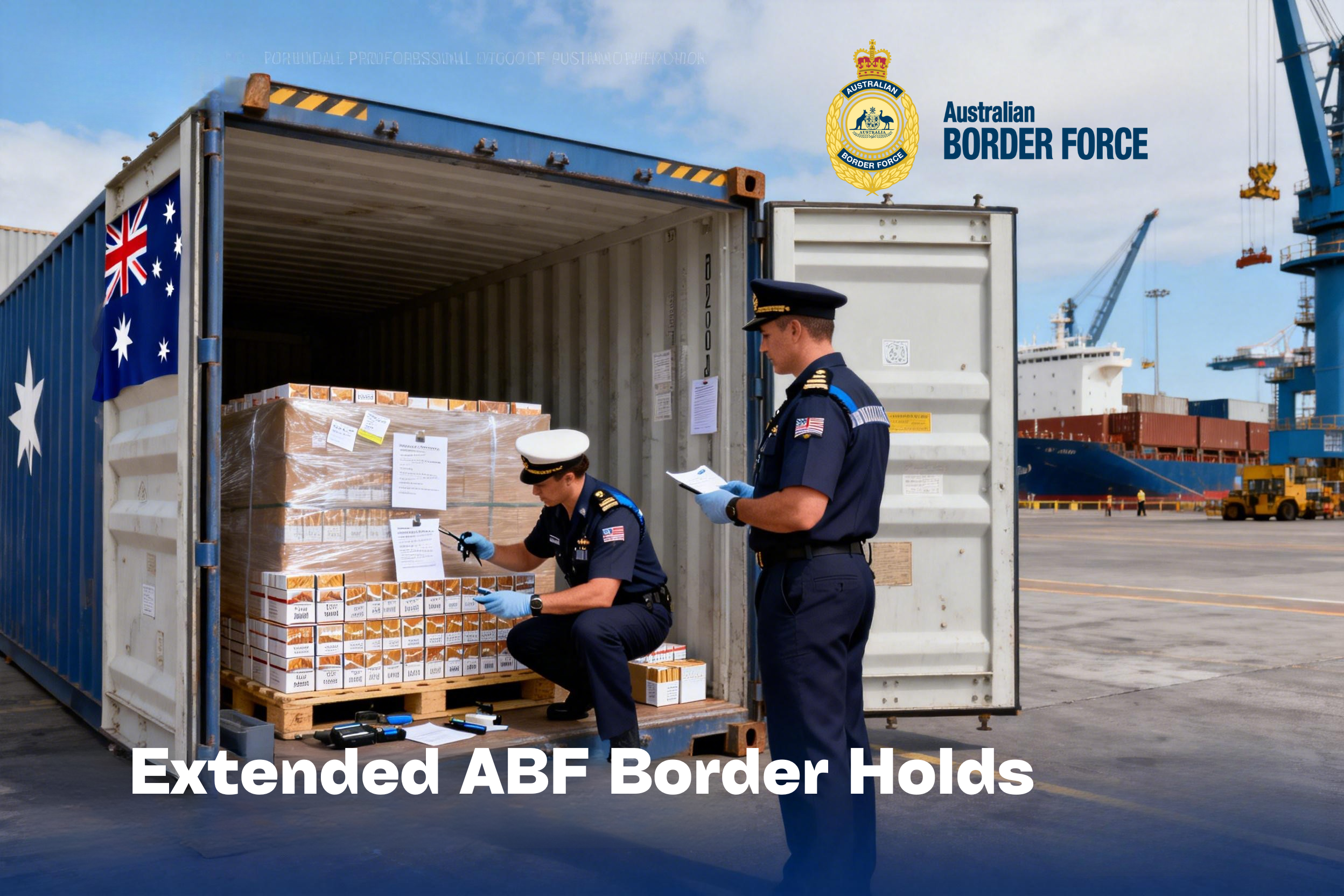
In early December, the Australian Border Force (ABF) launched a large-scale enforcement operation following the discovery of a major cigarette smuggling case. According to publicly released information from ABF, a criminal group was found to have infiltrated international supply chains, involving luxury vehicles, large amounts of cash, and illicit tobacco products.
-
8 December: A shipment of smuggled cigarettes was seized by Australian authorities.
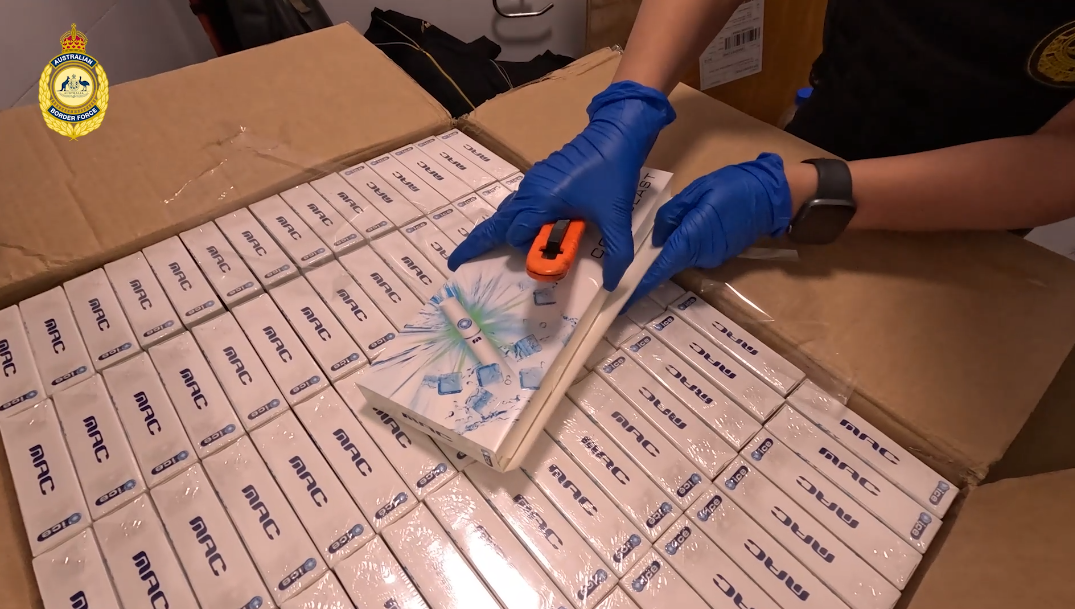
Due to the seriousness of the incident, ABF immediately strengthened its inspection and risk-control measures across multiple incoming vessels.
Vessels and Timeline Affected
Several container vessels arriving in Australia during this period were impacted:
-
One vessel that arrived on 14 December had departed on 1 December. When the inspection notice was issued, the vessel was already en route at sea.
-
Another vessel received its inspection notification on 21 December, also while sailing.
These two vessels became subject to the most stringent inspection measures, as the criminal smuggling group had already been apprehended during the voyage. This prevented any possibility of container manipulation during transit, prompting ABF to apply heightened scrutiny upon arrival.
Subsequent vessels were also affected, although inspections on those ships were conducted on a selective basis, with only certain containers chosen for examination.
What Is Being Inspected
As a result of this enforcement action, ABF significantly escalated its inspection procedures:
-
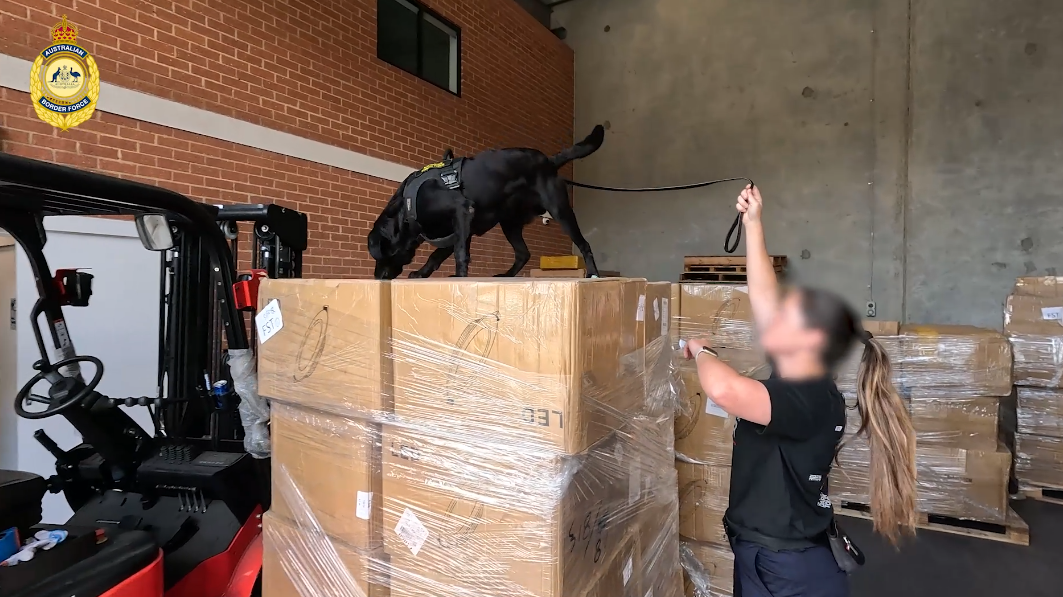
Standard X-ray (machine) inspections were upgraded to X-ray plus manual physical inspections.
-
Manual inspections require container unpacking, verification, and re-sealing, which substantially reduces processing speed.
This shift in inspection protocol has led to severe congestion and extended clearance times at Australian ports.
Current Inspection Progress
At present, two containers handled by our company remain in a “pending inspection” status. These delays are not related to documentation errors, cargo declaration issues, or compliance failures, but are a direct result of the expanded enforcement measures applied by ABF following this smuggling case.
The overall inspection efficiency has decreased significantly compared with normal operations, and clearance timelines have been extended beyond standard expectations.
Industry Response and Ongoing Actions
In response to the prolonged delays, key industry bodies—including the Freight & Trade Alliance (FTA) and the Australian Peak Shippers Association (APSA)—have formally raised inquiries with ABF.
Their focus includes:
-
Identifying the primary factors contributing to extended clearance times
-
Determining whether delays are demand-driven or caused by broader operational or system constraints
-
Requesting potential optimization of inspection workflows to accelerate container release
These efforts are aimed at easing the backlog and restoring more predictable clearance timelines for compliant cargo.
(Source: DDW Logistics industry update)
Our Actions and Customer Support
From the outset, our team has taken all possible measures to coordinate with shipping lines, port operators, and local partners to monitor inspection progress and seek updates.
At the same time:
-
We have maintained continuous communication with affected customers
-
We are actively discussing compensation arrangements, where applicable
-
We are awaiting further feedback from customers to finalize next steps
While customs inspections are outside the control of any logistics provider, our responsibility is to respond transparently, professionally, and proactively when unexpected disruptions occur.
Our Commitment
This incident highlights the importance of compliance, risk awareness, and clear communication in international logistics. We will continue to:
-
Closely track ABF inspection developments
-
Provide timely and factual updates to customers
-
Advocate for improved clearance efficiency through industry channels
If you have shipments currently affected or would like to understand how such risks can be mitigated in future shipments, please feel free to contact our team.


