










How a professional international logistics provider manages cargo damage claims effectively.

In international logistics, cargo damage is an issue almost every importer, exporter, or cross-border seller will eventually face.
Whether by ocean freight, air freight, or multimodal transport, cargo goes through multiple stages—warehouse handling, loading, transit, customs clearance, unloading, and final delivery. A failure at any point can result in damage, loss, or even total shipment write-offs.
What clients truly worry about is not whether cargo damage may occur, but:
-
Who takes responsibility when it happens?
-
Can responsibility be clearly defined instead of passed around?
-
Can losses be minimized without disrupting the overall delivery?
In this article, we combine real operational logic and an actual client case to explain:
How a professional international logistics provider manages cargo damage claims effectively.
Key takeaway: Cargo damage isn’t the real problem—poor handling is
Based on our years of experience serving Australia, Canada, and North America, one conclusion is clear:
Over 90% of cargo damage disputes are not unavoidable—they stem from unprofessional preparation.
The most common issues include:
-
No risk assessment before shipment
-
No evidence retention during transit
-
No understanding of claim procedures after damage occurs
A professional logistics approach addresses these issues before problems arise.
Is cargo damage responsibility only determined after the fact?
Many clients believe responsibility can only be discussed after damage occurs.
In reality, professional logistics operations define responsibility boundaries before shipment begins.
Pre-shipment: controlling avoidable risks
Before shipping, we systematically assess:
-
Cargo characteristics: fragile, oversized, overweight, stackable limits
-
Packaging solutions:
-
Reinforced cartons
-
Wooden crates or frames
-
Fragile items positioned on top
-
-
Cargo compatibility to avoid improper mixed loading
Many damages are not caused by rough handling, but by packaging that is insufficient for international transport standards.
Real case study: Turning a potential total loss into a successful claim
Client background
-
Destination: Australia
-
Shipping mode: LCL ocean freight
-
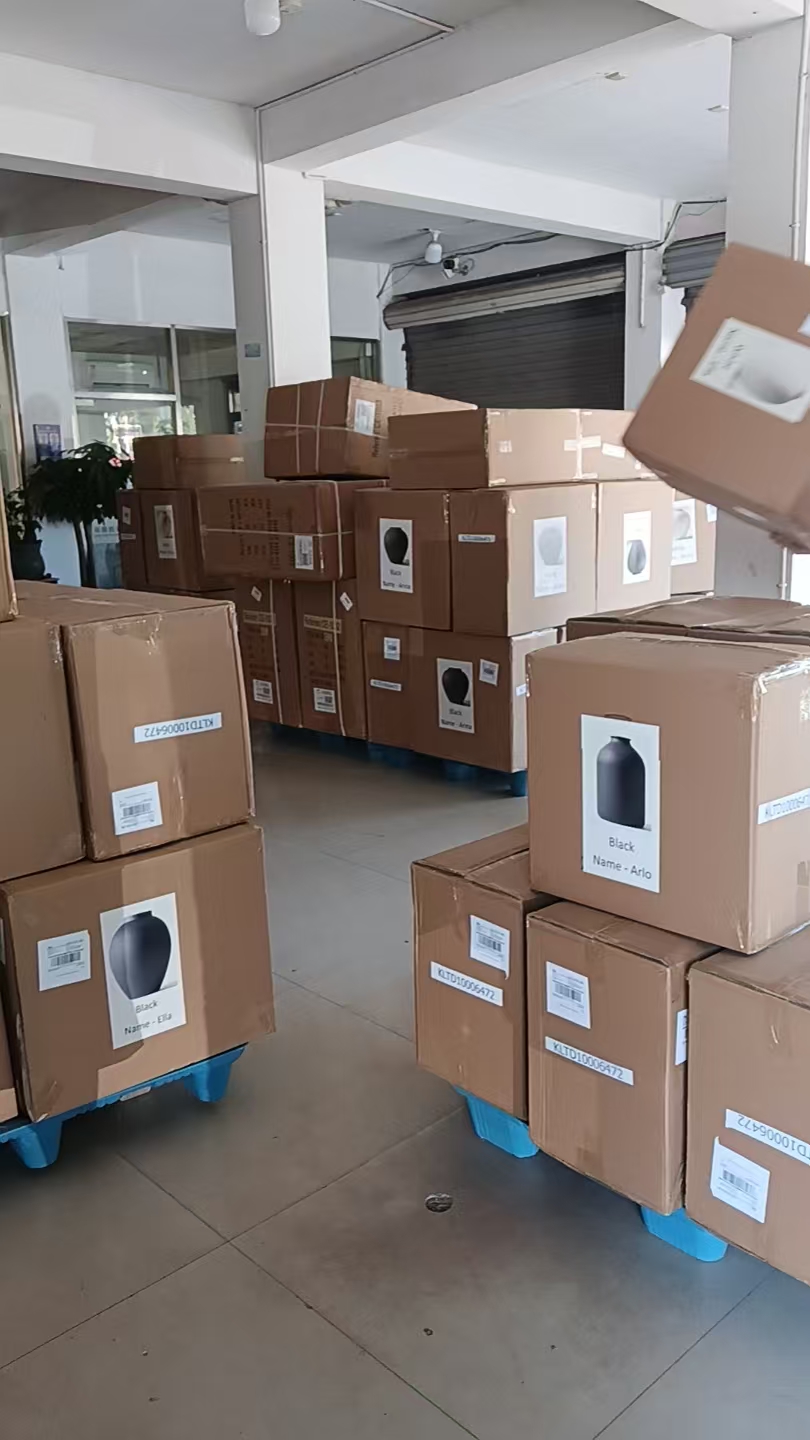
Cargo type: Home décor items with fragile ornaments
-
Special condition: Consolidated cargo from multiple suppliers
Identified risks
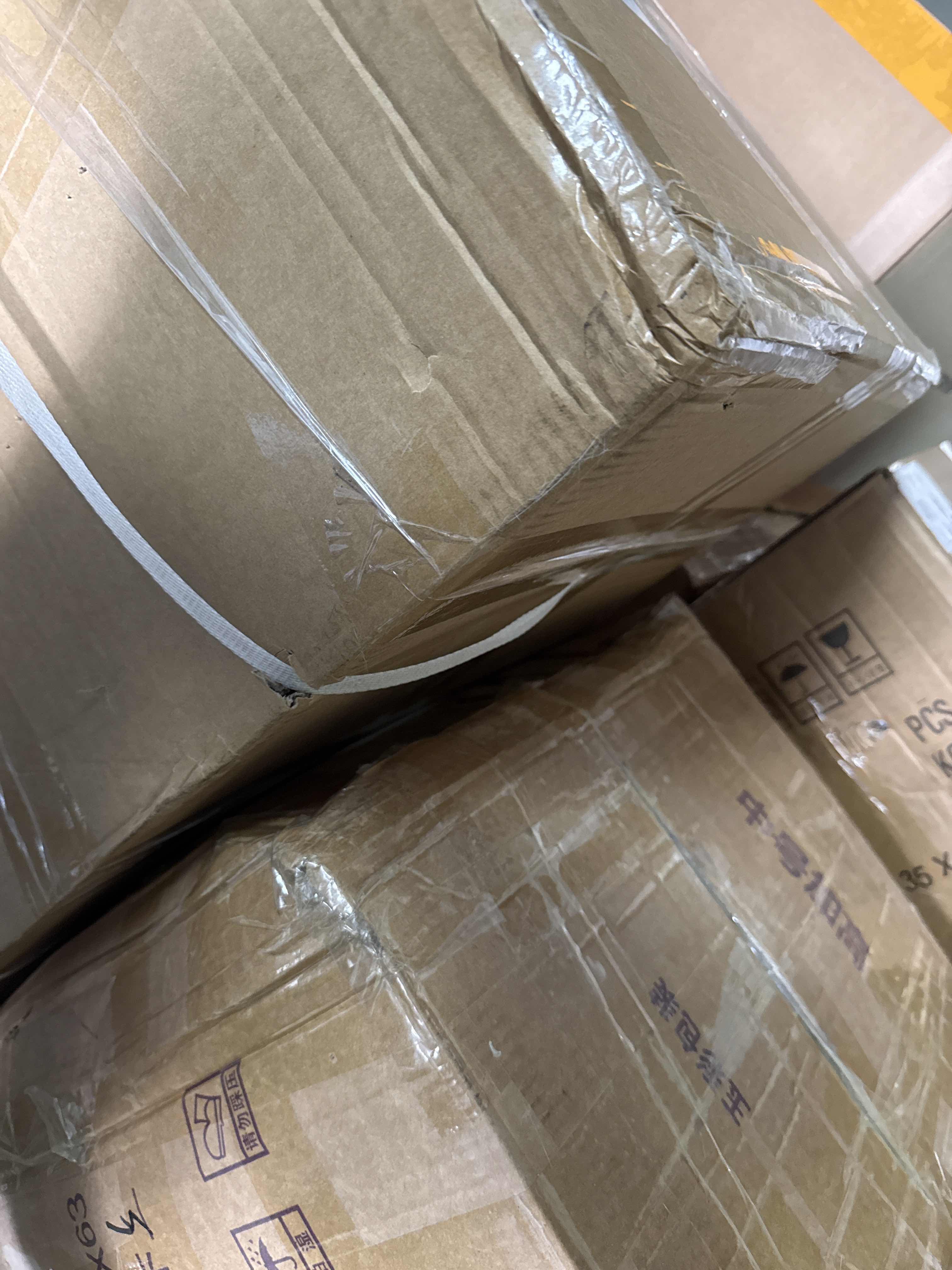
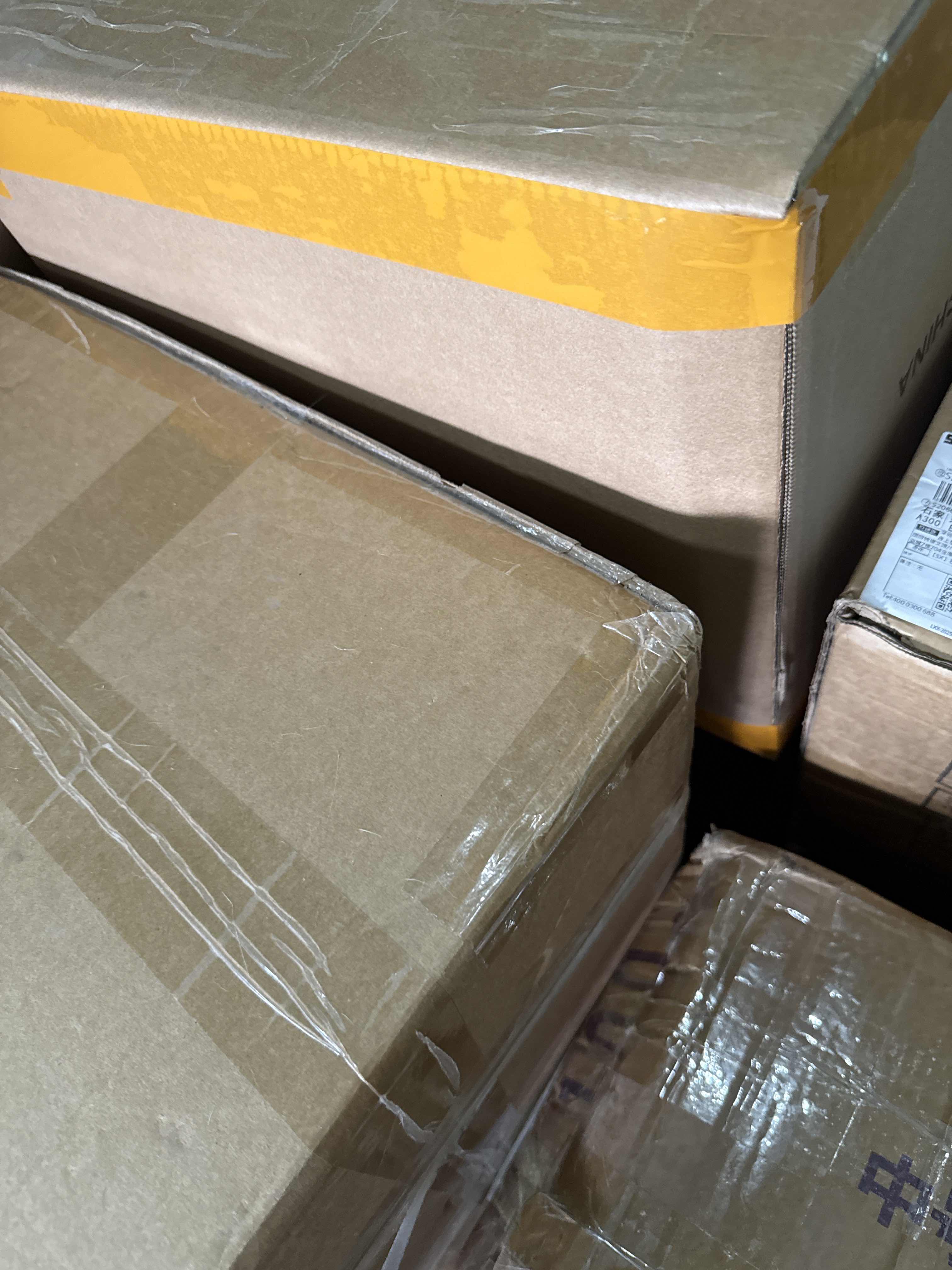
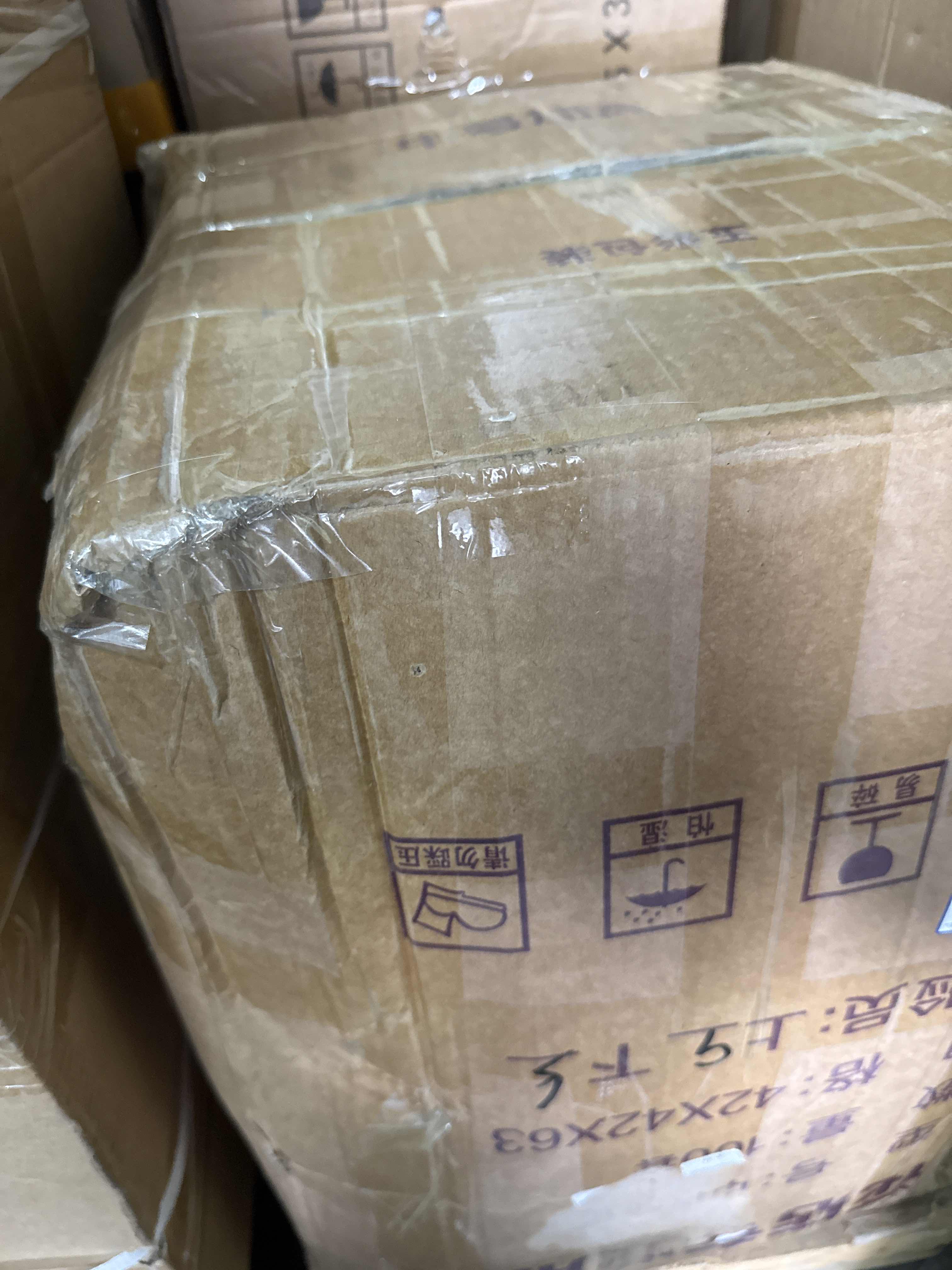
Upon receiving the cargo, we found:
-
Thin cartons from certain suppliers
-
Fragile items not clearly labeled
-
Inconsistent packaging standards
Our solution
With client approval, we implemented the following:
-
Re-sorted all fragile items into a dedicated group
-
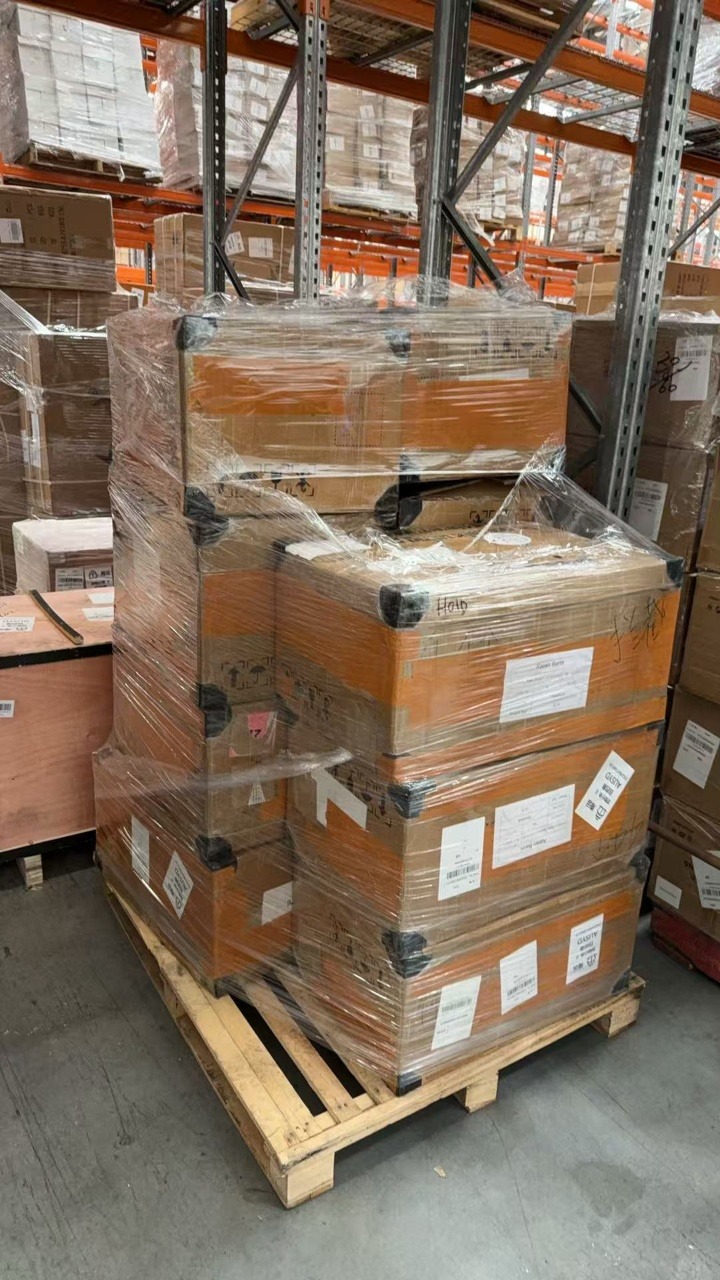
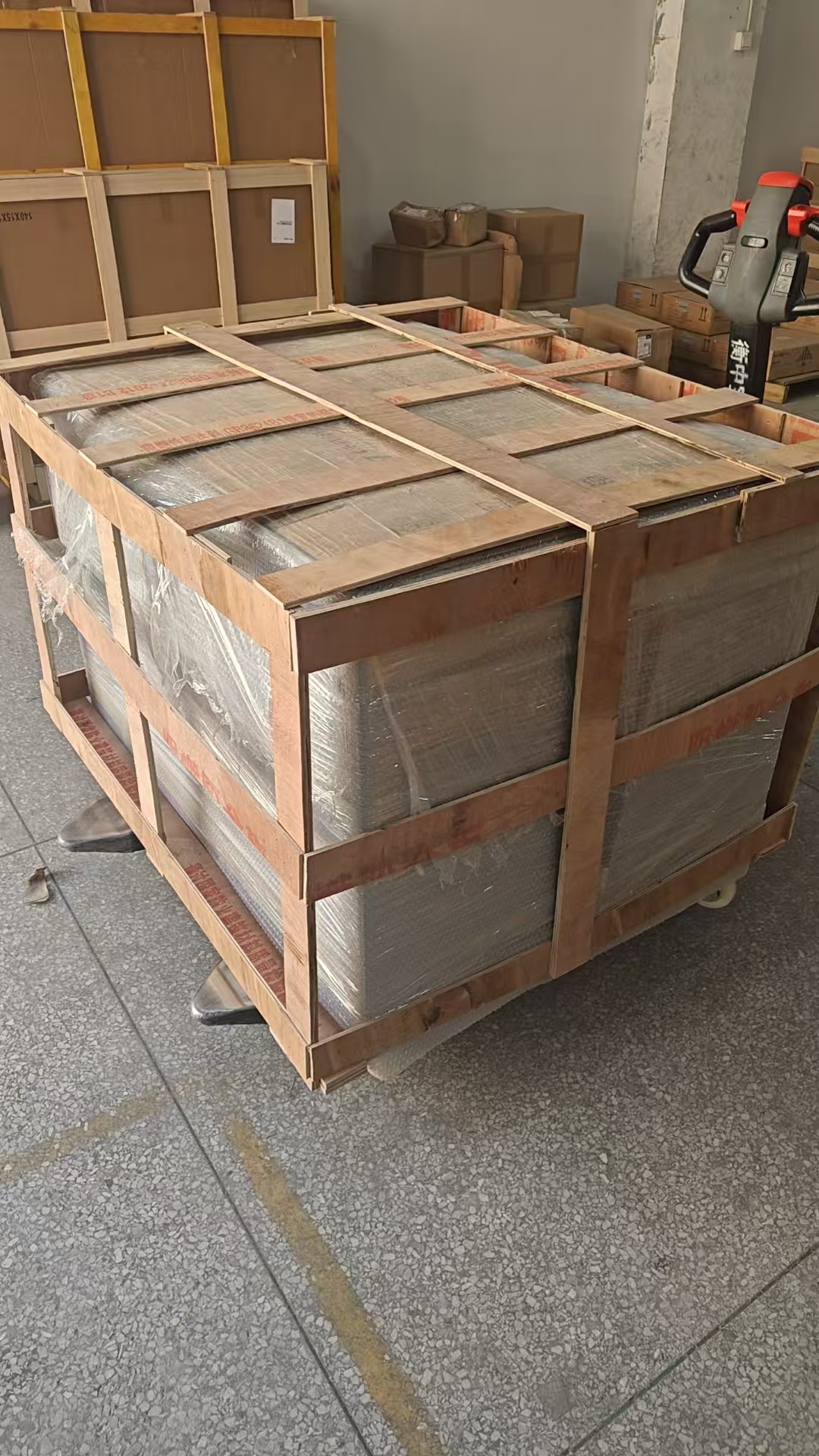
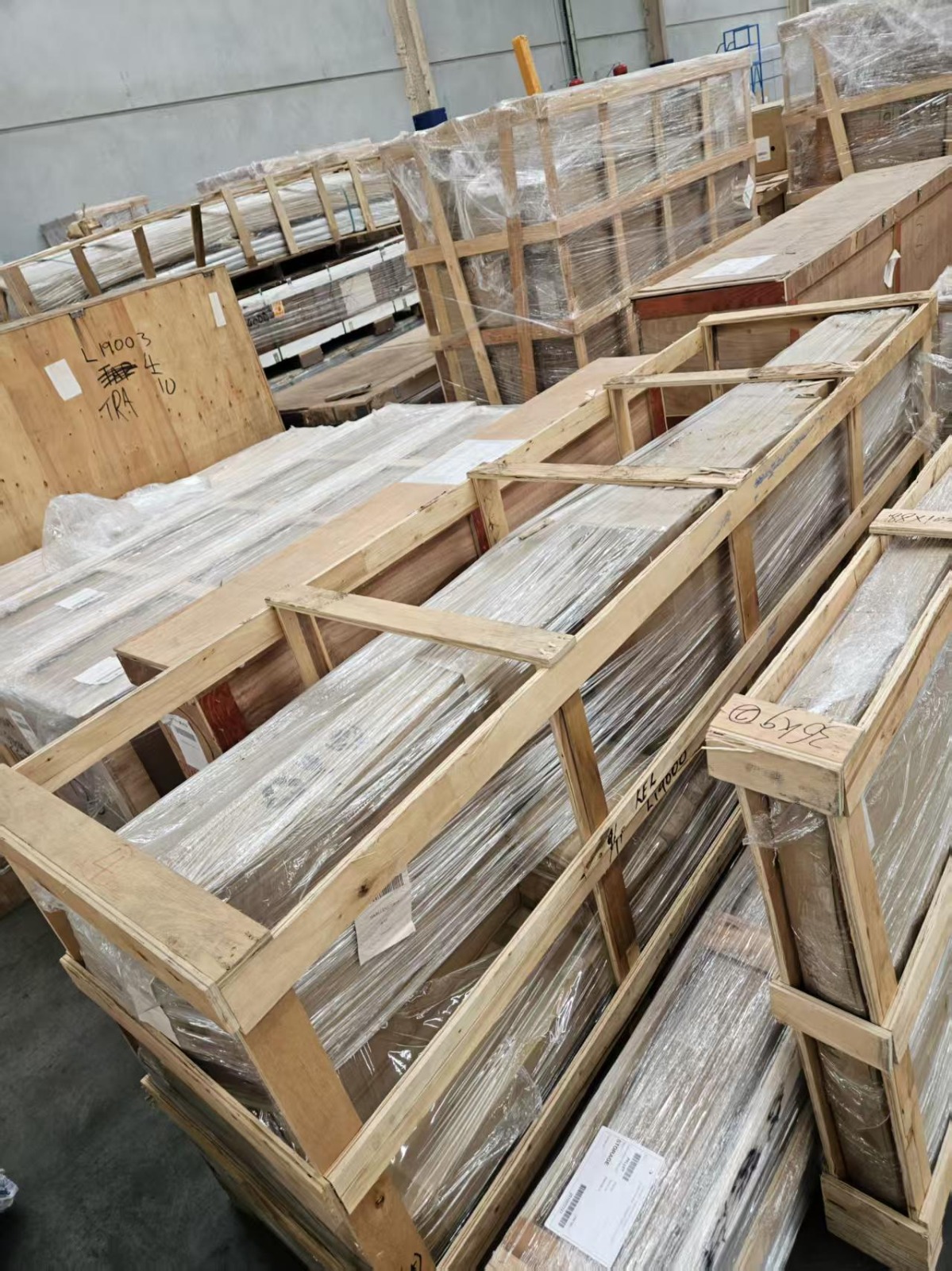
Reinforced the shipment with wooden framing
-
Placed fragile cargo on the top layer
-
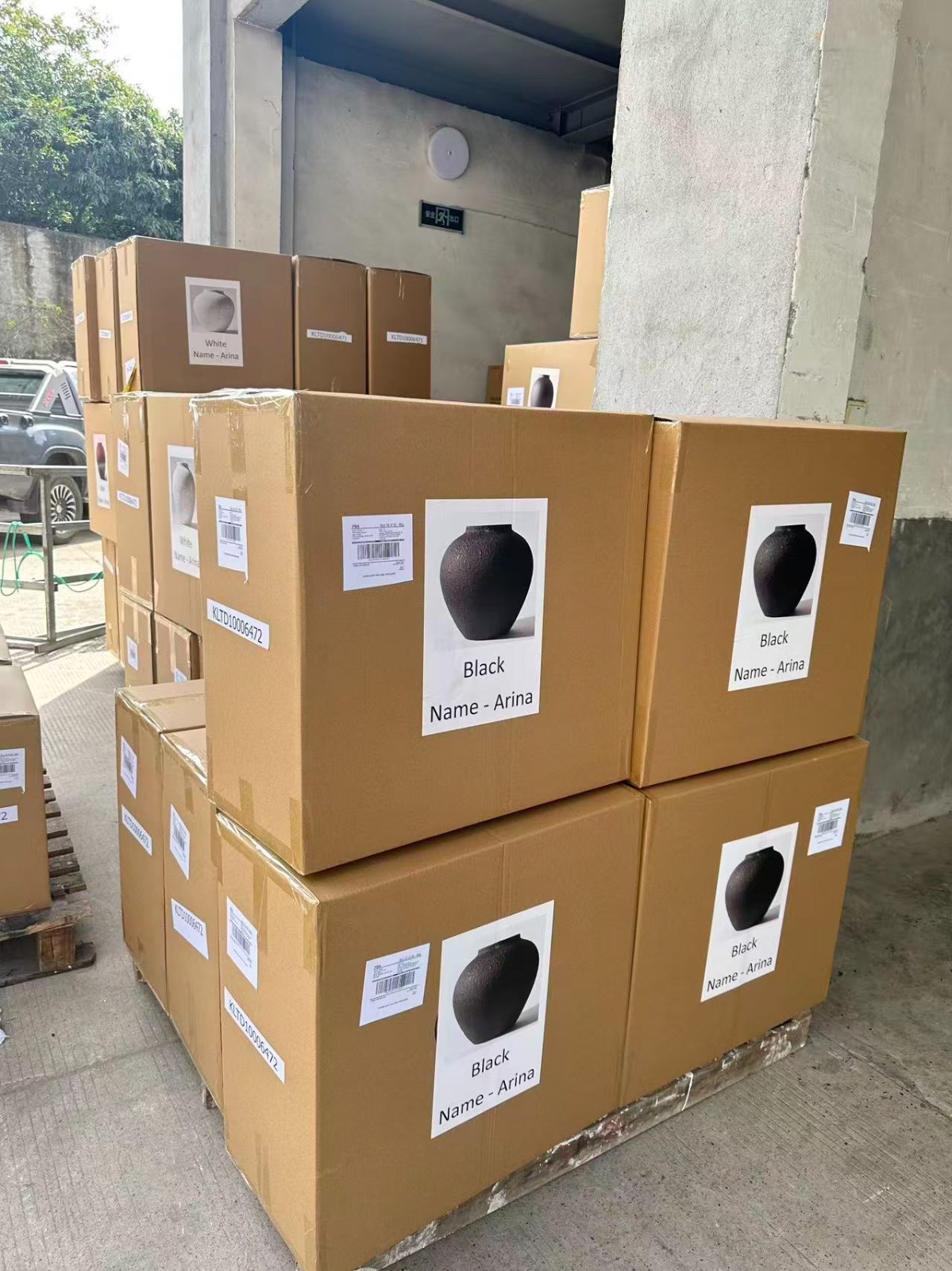
Documented the entire process with photos and videos:
-
Cargo condition upon warehouse arrival
-
Reinforcement procedures
-
Pre-loading condition
-

Outcome
Although minor damage was discovered upon arrival:
-
We provided clear evidence showing the cargo left the warehouse intact
-
Responsibility was accurately attributed to the transportation stage
As a result, the client successfully completed an insurance claim, recovering most of the losses, while the remaining cargo was delivered on schedule.
Client feedback:
“Without the pre-shipment reinforcement and documentation, this shipment would likely have been classified as a packaging issue, and no compensation would have been possible.”
What a professional cargo damage claim process looks like
Cargo claims are not about arguing with carriers—they require structure and evidence.
A complete professional process includes:
-
Immediate assessment of damage scope
-
Evidence preservation: photos, videos, signed delivery records, exception reports
-
Responsibility segmentation: warehouse, carrier, customs, final delivery
-
Matching the correct claim channel:
-
Insurance claims
-
Carrier liability claims
-
Contractual responsibility analysis
-
-
Providing clients with clear action plans:
-
Impact on delivery timelines
-
Partial replacement or re-shipment options
-
Cost-benefit evaluation of continued claims
-
Professionalism is not about eliminating risk—it’s about ensuring solutions exist when problems arise.
Why some clients receive compensation while others absorb the loss
Common reasons for failed claims include:
-
No pre-shipment condition records
-
Unclear packaging responsibility
-
Inaccurate or vague cargo value declarations
The result is often:
“Responsibility cannot be determined. Claim denied.”
Clients who succeed typically share three traits:
-
They work with logistics providers who prioritize risk management
-
They accept professional recommendations instead of focusing solely on price
-
They maintain a complete, traceable evidence chain
Final thoughts: Clients are not just paying for freight rates
International logistics is not simply about moving goods at the lowest cost.
Clients are investing in:
-
Accountability when issues occur
-
The ability to minimize losses
-
Experience that transforms uncertainty into control
Cargo damage handling is one of the clearest indicators of a logistics provider’s professionalism.
If you want to reduce risk before shipping—or ensure you have a clear path forward when issues arise—
Contact us to discuss how we can help protect your shipments and your business.


