










Mexico’s Proposed Tariff Hike Signals a Major Shift in Regional Supply Chains
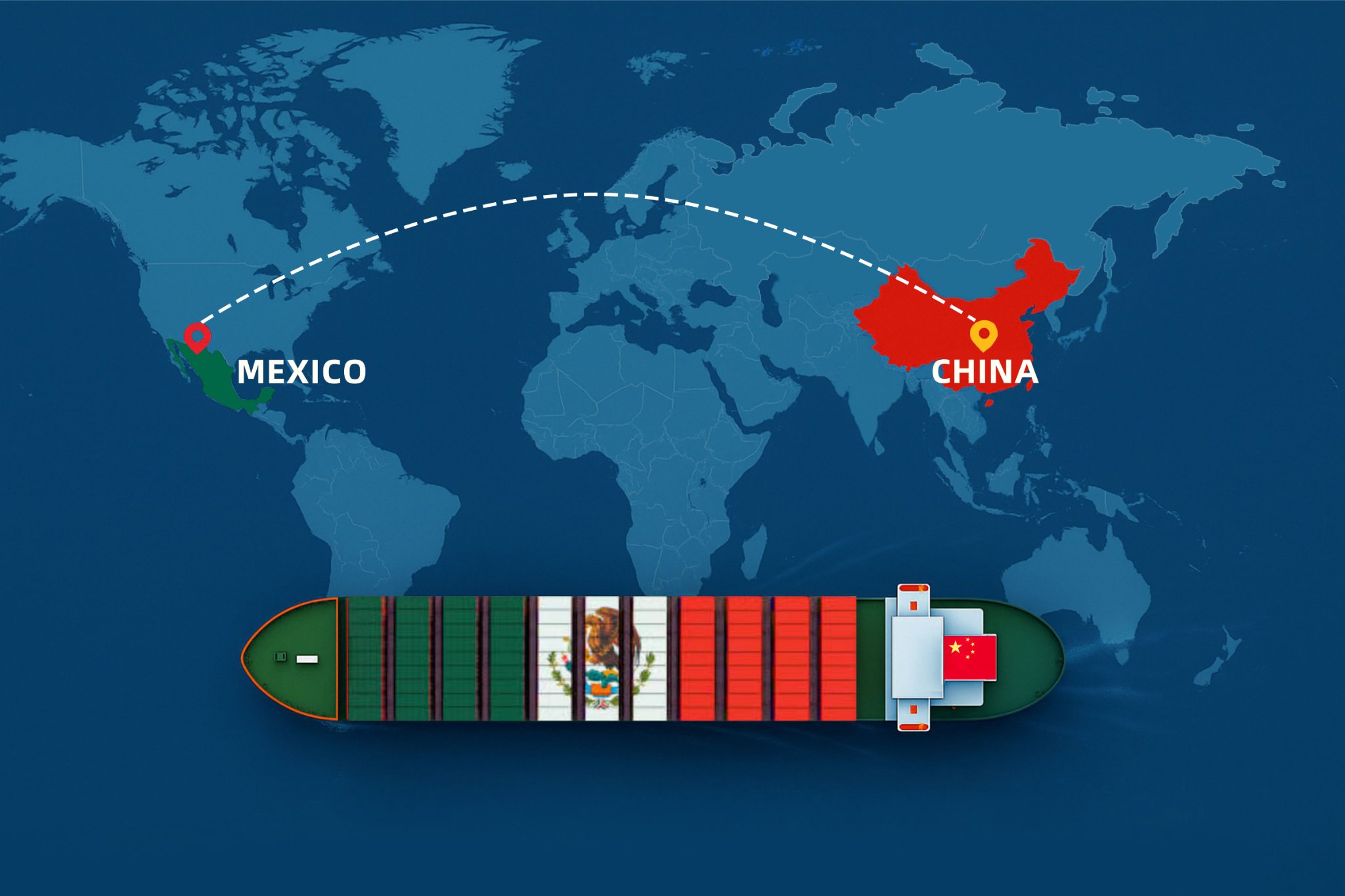
Mexico’s New Tariff Proposal Could Reshape Regional Supply Chains
Mexico has taken a significant step that may reshape regional and cross-border supply chains.
This week, the Mexican Congress approved a new proposal to impose tariffs of up to 50% on goods imported from China and several other Asian countries, with implementation expected to begin next year.
For companies relying on Asia-to-Mexico sourcing, this is not a minor policy adjustment. It represents a structural shift that will directly affect cost structures, competitiveness, and long-term market strategy.
Why This Policy Change Matters
Mexico has long served as a strategic manufacturing and logistics hub for companies targeting the North American market. Any major adjustment to its tariff framework can create cascading effects across global supply chains.
If the proposal is enacted, businesses importing from Asia into Mexico may face increased scrutiny, higher landed costs, and tighter compliance requirements.
Companies assessing their exposure are encouraged to Contact us for an initial supply chain review.
Potential Impacts on Importers and Manufacturers
The proposed tariff increase could lead to several immediate and mid-term consequences:
- Import costs for a wide range of products may rise sharply
- Small and mid-sized importers may experience significant margin pressure
- Manufacturers may need to reassess sourcing strategies and nearshoring plans
- Logistics timelines and customs documentation may become more sensitive
- Companies using Mexico as a gateway to North America may require full compliance reviews
These changes could affect both direct imports into Mexico and goods transiting Mexico for onward distribution.
Strategic Actions Companies Should Take Now
With implementation potentially starting as early as next year, proactive planning is essential.
Companies should consider taking the following steps:
- Reassess current supplier portfolios and sourcing dependencies
- Model landed cost scenarios under the new tariff levels
- Strengthen customs compliance and product classification accuracy
- Evaluate alternative shipping routes and tariff-reduction programs
- Prepare contingency plans before Q1 next year
The Importance of Agile Supply Chain Planning
Policy shifts like this highlight the growing importance of flexible supply-chain strategies and reliable cross-border logistics support.
Tariff changes are no longer isolated events — they increasingly shape sourcing decisions, logistics design, and market entry strategies across North America.
If you need to review your supply chain structure, shipping routes, or import compliance strategy for the Mexico market, Contact us. Early analysis and informed planning can make a decisive difference.


